
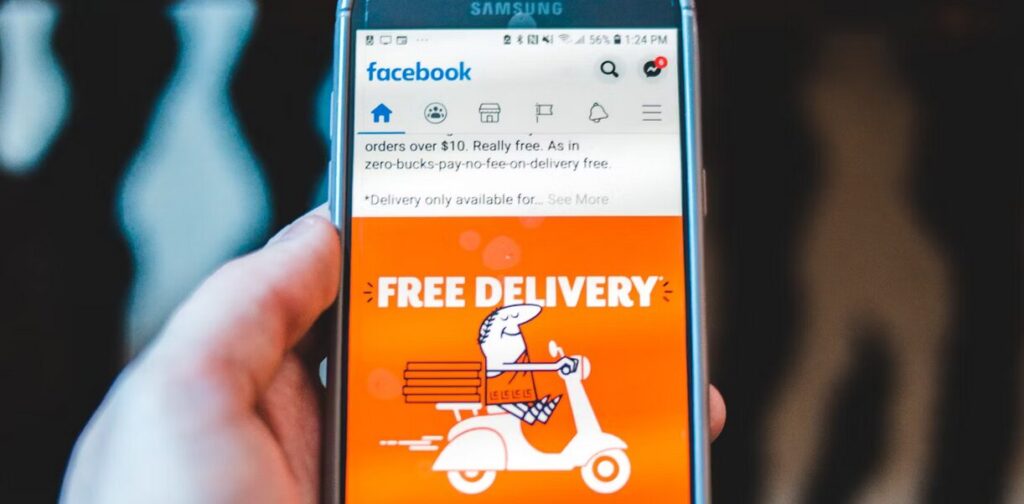
Pay-Per-Click (PPC) advertising can deliver fast, measurable results — but it can also drain your marketing budget faster than expected if handled carelessly. Many advertisers fall into the trap of spending too much on underperforming campaigns, assuming that higher bids automatically equal better visibility. In reality, effective PPC management requires a balanced approach that blends precision, data analysis, and creative testing. By applying smarter strategies, you can reduce your ad expenses while maintaining or even improving performance. Whether you’re managing campaigns on Google Ads, Bing, or social platforms, these five smart methods will help you optimize spending, strengthen targeting, and achieve stronger returns without losing quality or reach.
Use Smarter Keyword Targeting
One of the most direct ways to control PPC costs is to refine your keyword strategy. Many advertisers waste money bidding on broad keywords that attract clicks but deliver little value. Broad terms like “running shoes” or “digital cameras” generate massive traffic, but most of it won’t convert. Instead, focus on long-tail keywords — phrases that are longer and more specific, such as “women’s trail running shoes” or “mirrorless camera for travel.” These terms often cost less per click while attracting a more qualified audience. Additionally, use negative keywords so that your ads don’t show for irrelevant searches. For instance, if you sell luxury-watches, adding “cheap” or “free” as negative keywords helps you filter out low-value clicks. Regular keyword audits allow you to identify which search terms are draining your budget and remove them before they cause further loss.
Improve Your Quality Score for Better Efficiency
Google Ads rewards advertisers who provide relevant, engaging content with lower costs and higher visibility. This is determined through your Quality Score, which measures the relevance between your keywords, ads, and landing pages. A high-Quality Score lessens your cost per click or CPC and improve your ad’s position without increasing bids. To improve this score, make sure your ad copy closely matches the intent of your target keyword. Use clear, concise language that connects directly to what users are searching for. Your landing page should also deliver a seamless experience — it needs to load quickly, look professional, and directly relate to the ad’s message. Keeping your ad content and landing pages relevant ensures users find exactly what they expect, which improves engagement and reduces costs over time.
Adjust Ad Scheduling and Location Targeting

Running ads 24/7 might seem effective, but it often wastes money on impressions and clicks during low-conversion hours. To save costs, analyze your campaign data and know when your target audience is most active. If your conversion data shows that most leads or sales happen between 9 a.m. and 6 p.m., schedule your ads to run during those times only. Similarly, review geographic performance and narrow your targeting to regions that consistently deliver results. For instance, if your business performs better in urban areas than rural locations, adjust your settings to focus on cities where conversions are stronger. These changes prevent wasted spending on audiences unlikely to convert, while directing your budget to high-performing segments where it can achieve maximum effect.
Refine Your Ad Copy and Landing Pages
Your ad copy has a critical role in determining how much you pay per click. Strong, persuasive ads attract more qualified clicks and improve your Quality Score, both of which reduce your overall costs. To achieve this, write ad headlines that are compelling yet clear about what you offer. Avoid vague language and focus on benefits that appeal directly to user intent — such as cost savings, convenience, or quality. For example, “Save 30% on Professional Photography Equipment” is far more engaging than “Check Out Our Camera Deals.” Additionally, test various versions of your ads to find which wording or format generates higher click-through rates. Don’t forget your landing pages: make sure they align perfectly with your ads, feature a simple call-to-action, and remove unnecessary clutter. A smooth post-click experience keeps visitors engaged and increases conversion efficiency.
Implement Smart Bidding and Conversion Tracking
Without proper tracking, even the most appealing PPC campaign can waste money on irrelevant clicks. Setting-up conversion tracking enables you to measure exactly which ads, keywords, and audiences are driving real results — whether that means sales, sign-ups, or inquiries. Once you identify your top-performing segments, you can adjust your bids more intelligently. Consider using automated smart bidding strategies like Target CPA (Cost per Acquisition) or Target ROAS (Return on Ad Spend). These methods use machine learning to adjust your bids in real time, helping you maximize conversions at lower costs. However, automated bidding still requires human oversight — always review your campaign data to confirm that your budget is being spent wisely and directed toward the most profitable outcomes.
Lowering your PPC costs while maintaining performance doesn’t require extreme measures or complex tactics. It requires strategy, observation, and thoughtful adjustments. By refining keyword targeting, improving Quality Scores, managing ad schedules effectively, crafting persuasive copy, and tracking conversions closely, businesses can make every click count. The goal isn’t just to spend less — it’s to spend smarter. When each element of your PPC campaign works together efficiently, your brand gains visibility, stronger leads, and sustainable growth without inflating costs. In a competitive advertising environment, efficiency is the true measure of success, and mastering that balance allows your marketing budget to stretch further than ever.